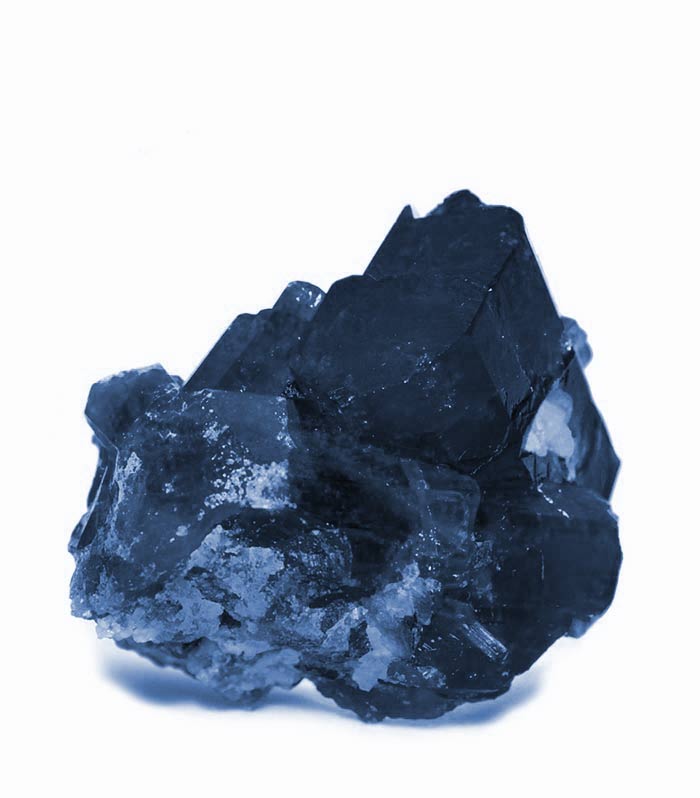
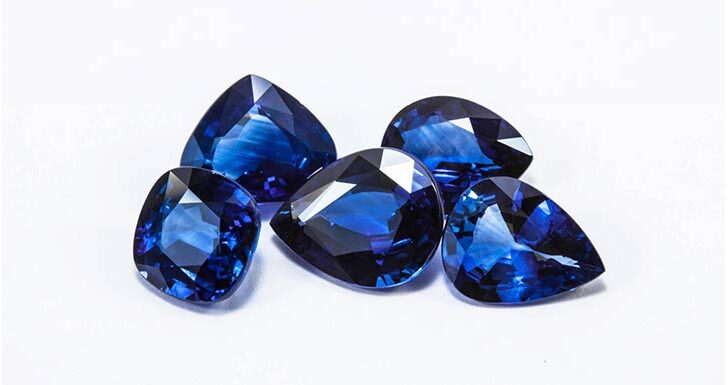
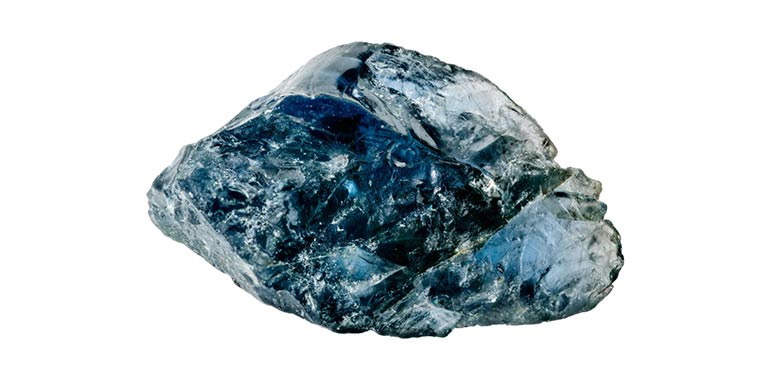
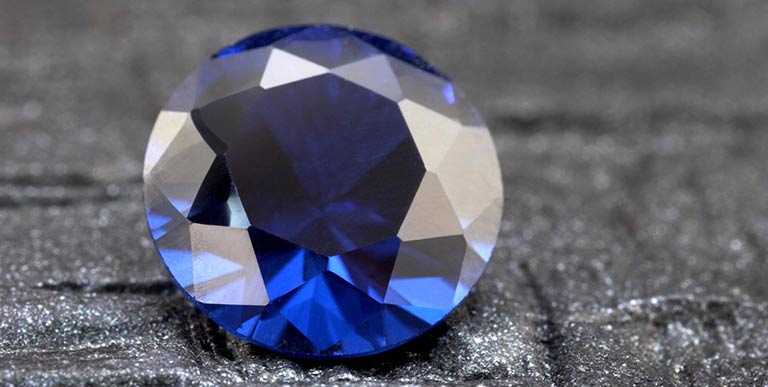
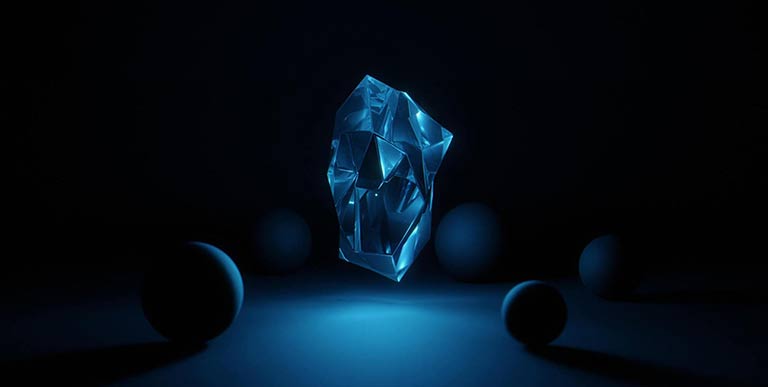
Sapphire, a gemstone renowned for its deep blue hue, boasts a storied history rooted in ancient civilizations like Greece and Rome. Revered for its association with wisdom and divine favor, sapphire adorned the crowns of kings and the jewelry of clergy during the medieval era, symbolizing purity and heavenly blessings. In Asia, particularly in regions like India and Sri Lanka, sapphires held spiritual significance, often incorporated into religious artifacts and worn as talismans. Geologically, sapphires form from aluminum oxide under specific conditions in igneous or metamorphic rocks. While blue is the most iconic color, sapphires also occur in shades of pink, yellow, green, purple, and colorless, owing to trace elements in their composition.
Natural Sapphires
Most sapphires are heated up to 1800°C for days, a process that can enhance color and clarity. Some treatments, like chemical heating, add substances like glass or beryllium to alter the gem’s appearance. Despite these advancements, the true value of a natural sapphire remains unmatched.
Untreated Sapphires
Untreated sapphires, free from artificial enhancements, showcase nature’s genuine beauty. While treated sapphires may mimic their appearance, untreated ones hold superior value and authenticity. At our establishment, we prioritize natural gemstone integrity, offering only untreated sapphires, each embodying the pure essence of this remarkable gemstone.
Treated Sapphires
Gem sellers should tell you if a sapphire has been treated because it affects its value. Detecting heating in sapphires, especially pink ones from Madagascar, is tough. Machines help, but sometimes they give different results. Sapphires from places like Sri Lanka and Burma are usually heated a lot, so it’s easier to tell.
Clarity In Sapphires
Sapphires form deep within the Earth’s crust over centuries. They grow larger as magma cools, but this process also introduces inclusions, shaping each sapphire’s unique appearance. Assessing clarity involves examining inclusions; “eye-clean” sapphires, without visible inclusions, are rare and valuable.
Testimonials
Lorem ipsum
@username
Lorem ipsum dolor sit amet, consectetur adipiscing elit. Ut elit tellus, luctus nec ullamcorper mattis, pulvinar dapibus leo.
Lorem ipsum
@username
Lorem ipsum dolor sit amet, consectetur adipiscing elit. Ut elit tellus, luctus nec ullamcorper mattis, pulvinar dapibus leo.
Lorem ipsum
@username
Lorem ipsum dolor sit amet, consectetur adipiscing elit. Ut elit tellus, luctus nec ullamcorper mattis, pulvinar dapibus leo.