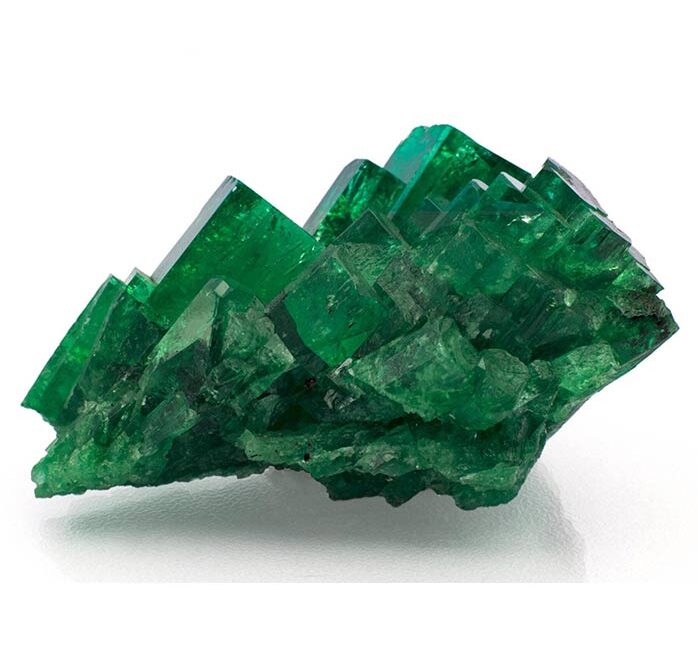
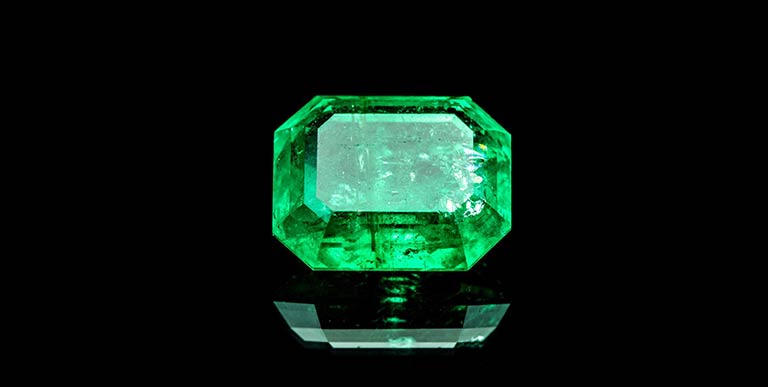
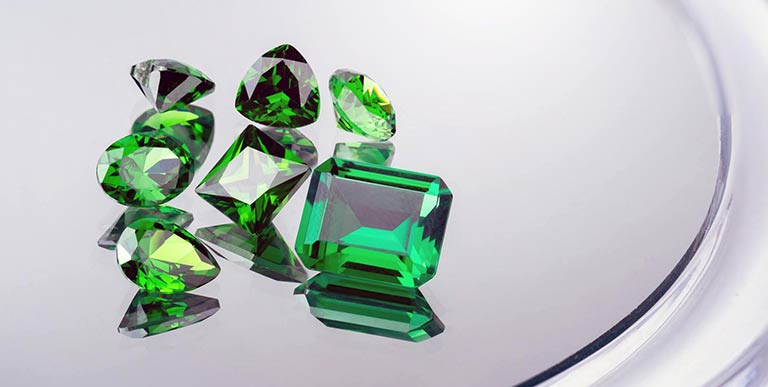
Emeralds, prized for their lush green hue, boast a captivating history and cultural significance. Associated with prosperity and protection since ancient times, these gemstones are part of the beryl family, characterized by chromium and vanadium impurities. Key sources include Colombia, Zambia, Brazil, and Afghanistan, with Colombian emeralds renowned for their intense color and clarity. Adorning royalty and the elite, emeralds symbolize love and renewal, often featured in exquisite jewelry pieces for special occasions like May birthdays and milestone anniversaries. In summary, emeralds represent nature’s tranquility and the promise of new beginnings, embodying elegance and prestige with their timeless allure.
A Timeless Gem
Emeralds, a type of beryl, derive their lush green color from chromium or sometimes vanadium. Revered since ancient times, they adorned the eyes of Incan funerary masks and were cherished by Cleopatra as symbols of eternal life. Today, emeralds remain coveted by various dignitaries and Hollywood elites for their enduring allure.
Beryl Varieties and Confusion
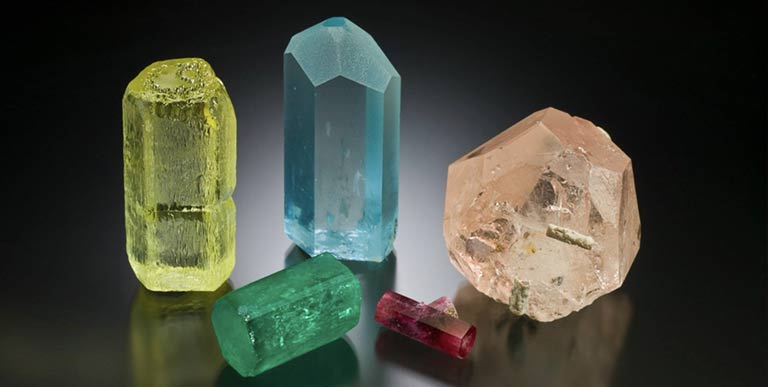
Emeralds shine brightly, but other beryl varieties often go unnoticed. Beryl comes in a spectrum of hues, each with unique allure, from red to yellow. Historical grouping by color led to confusion, as seen with the Black Prince’s Ruby, which is a red spinel, not a ruby, challenging traditional classifications. Join Gemstone in exploring beryl’s hidden gems beyond emeralds.
Other Possible Effects
Emeralds seldom exhibit a trapiche shape, characterized by a distinctive six-armed pattern, distinct from the stars often seen in rubies and sapphires. The trapiche appearance results from the crystal’s physical formation and remains static. Stars, however, are optical phenomena created by light reflecting from rubies and sapphires. They appear to move across the gem’s surface and are never stationary. Similarly, the cat’s eye phenomenon is a rarity in emeralds.
Testimonials
Lorem ipsum
@username
Lorem ipsum dolor sit amet, consectetur adipiscing elit. Ut elit tellus, luctus nec ullamcorper mattis, pulvinar dapibus leo.
Lorem ipsum
@username
Lorem ipsum dolor sit amet, consectetur adipiscing elit. Ut elit tellus, luctus nec ullamcorper mattis, pulvinar dapibus leo.
Lorem ipsum
@username
Lorem ipsum dolor sit amet, consectetur adipiscing elit. Ut elit tellus, luctus nec ullamcorper mattis, pulvinar dapibus leo.