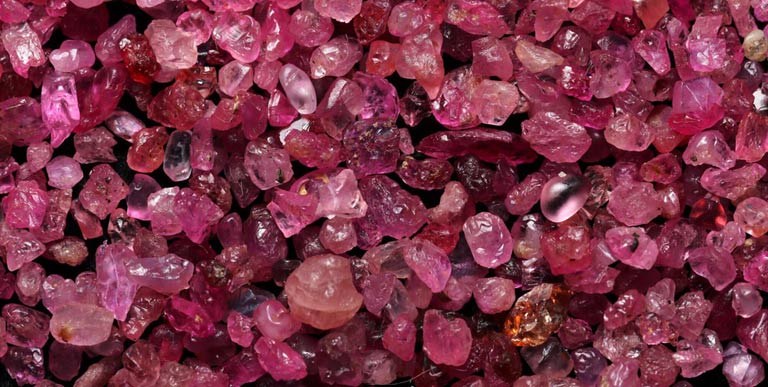
At Gemstone, we invite you to explore the timeless allure of rubies. These precious gems have enchanted royalty, collectors, and romantics for centuries.
Luxury Ruby Earrings Indulge in our natural, untreated ruby starburst earrings crafted by The Natural Ruby Company. Symbolizing love and passion, rubies hold profound cultural significance and are exceptionally rare and valuable.
Discover the World of Rubies Our Ruby Education section offers insights into the unique characteristics and mining origins of rubies. Explore their rich historical significance and browse our exquisite collection of ruby.
Embrace the Allure Join us in celebrating the enduring beauty and sophistication of rubies at Gemstone.com. Experience luxury and legacy with every exquisite piece.
What is a Natural Ruby?
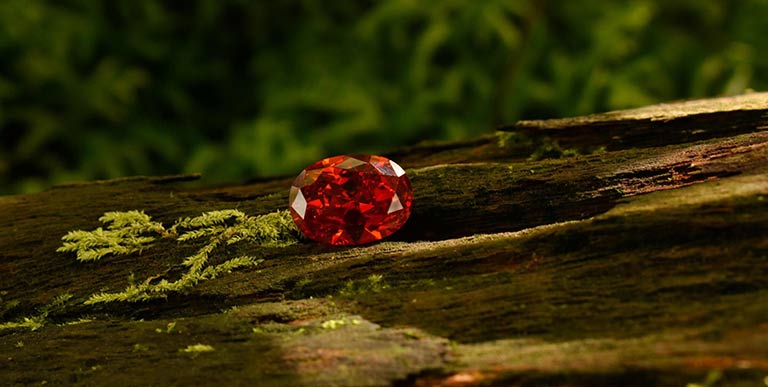
A natural ruby is one that formed in the earth through natural geological processes. Most rubies on the market are natural rubies, although the vast majority of rubies have been treated in some way.
What is a Treated Ruby?
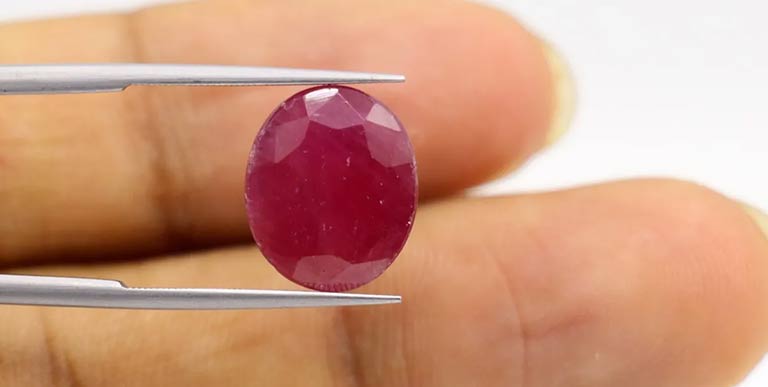
While most are treated, they’re still natural stones formed within the earth. Heat-treating is the most common method, healing fractures and enhancing clarity. Other treatments like beryllium diffusion and fracture-filling exist, altering color and durability. Industry debates surround treatments, impacting pricing and transparency. Full disclosure of treatments is crucial before purchasing a ruby.
What is an Untreated Ruby?
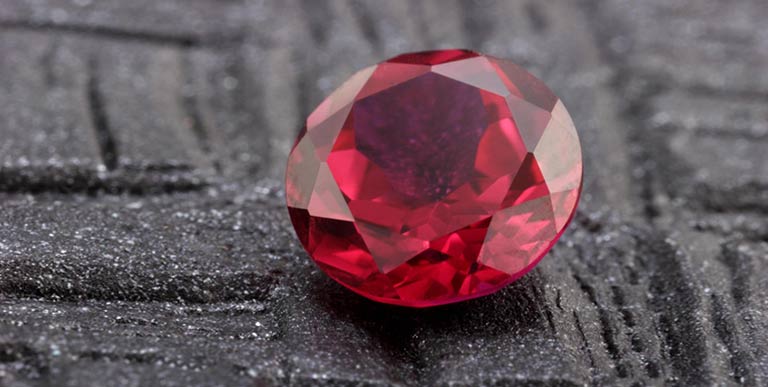
An untreated ruby is a natural ruby that has not been treated at-all. The color of the stone in front of you is how it looked when being mined from the earth. These are the rarest, and most valuable rubies.
What is a Synthetic Ruby?
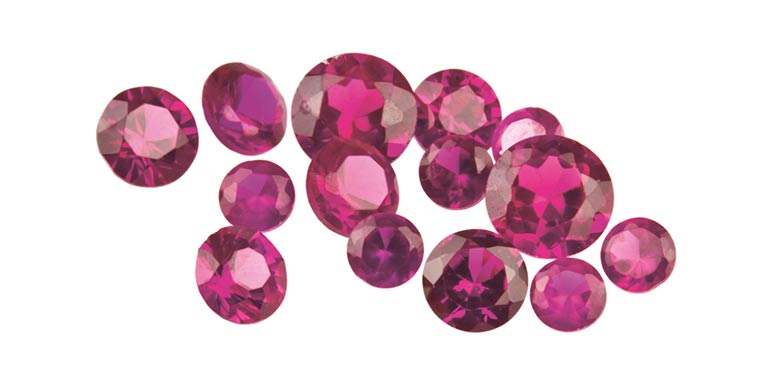
Synthetic rubies have the same chemical and crystal compositions as natural ones but are created in labs instead of forming naturally. They’re produced through various techniques, all considered synthetic. While basic methods can help identify them, pinpointing certain synthetics may require thorough chemical analysis from reputable gemological labs.
Ruby Misnomers
Some gemstones labeled as “rubies” may not truly be rubies; the term is occasionally used as a trade name for other types of gemstones. However, these stones lack the physical and chemical attributes of corundum (Al2O3) rubies. It’s important to recognize that gemstones such as garnets and spinels, which bear resemblance to rubies, can coexist with rubies, leading to potential confusion unless properly verified.
Testimonials
Lorem ipsum
@username
Lorem ipsum dolor sit amet, consectetur adipiscing elit. Ut elit tellus, luctus nec ullamcorper mattis, pulvinar dapibus leo.
Lorem ipsum
@username
Lorem ipsum dolor sit amet, consectetur adipiscing elit. Ut elit tellus, luctus nec ullamcorper mattis, pulvinar dapibus leo.
Lorem ipsum
@username
Lorem ipsum dolor sit amet, consectetur adipiscing elit. Ut elit tellus, luctus nec ullamcorper mattis, pulvinar dapibus leo.